


Busuu: Learn & Speak Languages
4.718.16K Reviews
App Specs
- Version
- 32.46.0(1732689)
- Updated On
- License
- Free
- Downloads
- 50,000,000+
- Developer
- Busuu
- Categories
- Education
- Platform
- Android, iOS
Screenshots



 Analysis by AppCompare
Busuu has to earn its place in my routine after the first burst of enthusiasm, not just make a good first impression. I find it most useful when I treat it as a steady study companion: a place to practise a language in small sessions, revisit material, and get a little more comfortable using it. It is an education app from Busuu, free to start, with a 4.7 average from around 1.1 million ratings. That scale suggests it has broad appeal, but the more important question is whether its approach fits the way you actually learn.
The first week feels approachable
So, I recently got my hands on the app Busuu: Learn & Speak Languages, and I have to say, it’s quite the nifty tool for language learners. Whether you're trying to brush up on your Spanish before a trip to Barcelona or finally tackle that elusive Mandarin, this app has something for everyone. Let’s dive into what makes Busuu a standout in the crowded world of language learning apps.
Getting Started with Busuu
First things first, setting up Busuu is a breeze. After downloading it from the App Store or Google Play, you’re prompted to select the language you want to learn. There are over 12 languages to choose from, including popular picks like French, German, and Italian, and even less common ones like Turkish and Polish.
Guides and Analysis on Busuu: Learn & Speak Languages
Once you select your target language, the app asks about your current proficiency level. Are you a complete newbie or do you already know a few phrases? This helps Busuu tailor the lessons to suit your needs right from the get-go.
That opening setup is a practical advantage if you are returning to a language after a long break. I would answer the level questions honestly rather than choosing an ambitious starting point: beginning too far ahead can make early practice feel like a test, while starting too low may leave you repeating familiar material. Use the first sessions to notice what comes easily and what still needs work, then adjust your expectations instead of treating the initial placement as a verdict on your ability.
Interface and Usability
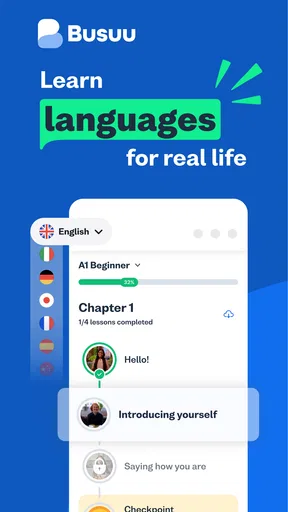
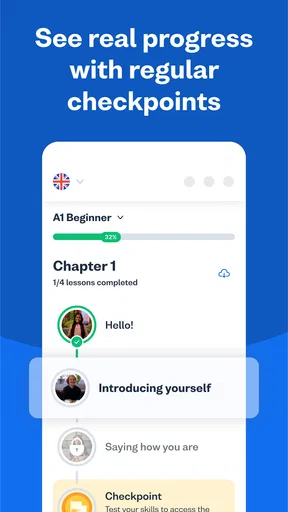
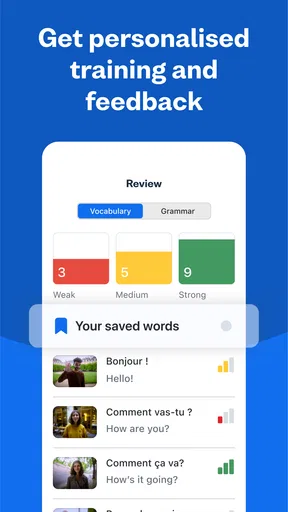
The interface is sleek and super intuitive. You won’t find yourself getting lost in a sea of unnecessary features. Everything is laid out neatly, with lessons organized in a way that makes it easy to track your progress. The app uses a combination of different teaching methods, including vocabulary drills, grammar exercises, and even real-life conversations.
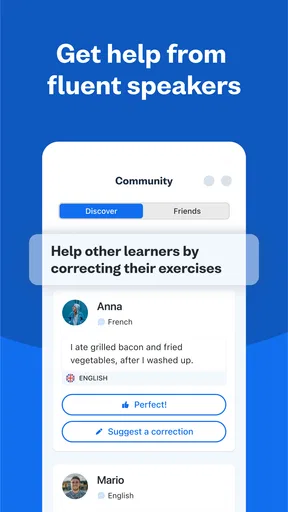
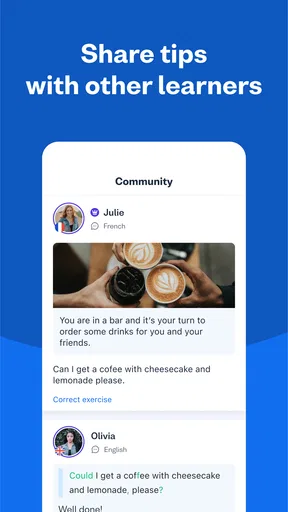
Busuu also includes a social feature where you can connect with native speakers from around the globe. It’s like having a pen pal who can actually help you improve your language skills. Plus, there’s a community section where you can submit written exercises for feedback.
Worth Reading Before You Choose

Basketball Stars: Multiplayer Is Fast, but Can It Recover When Matches Go Wrong?

WEBTOON Turns Phone Updates Into a Better Reading Routine

Link to Windows Runs on Shared Habits, Not Social Feeds

How Alibaba.com Dominates the B2B Marketplace

Metro's Quiet Rise: Redefining Mobile Communication

Harnessing Ecosystem Power with Phone Tracker by Number
The mix works best when I give each activity a different job. Vocabulary practice can help a word become familiar, but familiarity is not the same as being able to use it in a sentence. I would follow a drill by trying to make a short phrase of my own, then use a written exercise to see whether the idea comes across clearly. That small handoff between recognition and production is more useful than racing through several exercise types just to mark them complete.
Features That Make a Difference
What really sets Busuu apart is its use of AI technology to help you learn effectively. The app adapts to your learning pace, ensuring that you’re not overwhelmed with too much information at once. Plus, there are plenty of interactive exercises that make learning fun and engaging.
Another cool feature is the offline mode. Once you download a lesson, you can access it without an internet connection, which is perfect if you’re on a plane or in a remote area with spotty WiFi. The lessons themselves are broken down into manageable chunks, making it easy to squeeze in some learning during a coffee break or during your commute.
Offline access makes the app easier to keep in rotation, but I would prepare before leaving home rather than assume every part of study will work without a connection. Download the lesson you intend to use while you have Wi-Fi, and make that session a focused review rather than a substitute for every kind of practice. A commute is a good place to revisit material; a quiet moment later is better for concentrating on a written response or thinking through a tricky sentence.
Community and Interaction
The community aspect is another highlight of the app. Being able to practice with native speakers is invaluable, and the feedback you receive is constructive and encouraging. You can also help others by correcting their exercises, which reinforces your own learning.
There’s also a gamified element with quizzes and challenges that keep you motivated. You can earn points and badges, which might seem trivial but actually add a fun competitive edge to the learning process.
For feedback to be useful, I would make submissions specific and readable rather than sending a rushed answer simply to get a response. When someone corrects your writing, compare the suggested version with what you tried to say and keep note of the pattern, not just the corrected sentence. Helping another learner can also make you slow down and explain a choice, though it should not replace practice in the language you are learning. Community interaction adds value when you use it deliberately; it is not a guaranteed shortcut to fluent conversation.
Keeping the habit beyond the novelty
In the first few days, a new course can feel rewarding because every lesson brings visible progress. The harder test comes later, when the material is less novel and you have competing demands on your attention. I would make the goal modest: attach one short session to a routine you already have, such as a break or the start of a commute, rather than promising yourself a long study block every day. A repeatable appointment is easier to maintain than a burst of enthusiasm that depends on having spare time.
A realistic use case is preparing for a trip without pretending an app can replace real-world practice. I might work through beginner material in the weeks before travelling, save a lesson for an offline journey, and practise writing a few useful phrases before I need them. That can build recognition and confidence for everyday situations, while a conversation with a person still demands listening, quick replies, and tolerance for not understanding everything. The app supports preparation; it cannot make those unpredictable exchanges effortless.
Where it fits among language-learning options
Compared with a phrasebook, Busuu gives me a more structured route through practice instead of leaving me to search for an isolated expression each time. Compared with a general flashcard tool, its combination of vocabulary, grammar, conversation material, and written exercises gives study more variety. A textbook may be a better fit if you want a fixed syllabus you can annotate and review away from a screen, while a live tutor is stronger when you need immediate correction and sustained speaking practice. I see Busuu as a useful middle ground for guided self-study, not a replacement for every other method.
That distinction matters if your main goal is speaking comfortably. Lessons and written feedback can help build a foundation, but I would add real conversation practice where possible instead of waiting for an app to do all the work. If you mainly need to look up travel phrases at the last minute, a phrasebook may be quicker. If you already study consistently with a teacher and need detailed personal instruction, the app may be more supplementary than central.
Month-to-month value and the cost decision
The app is free to start, and it offers in-app purchases ranging from $0.99 to $169.99 per item. I would try the free experience long enough to learn whether its lesson style suits me before paying for anything. The relevant question is not whether extra access sounds appealing, but whether you are actually using the study path and want to continue with it. Since purchase options can vary, check the current in-app details before committing and think about how often you expect to practise.
For a learner who benefits from a guided sequence and community feedback, regular use can make the app feel worthwhile over time. For someone who opens it only when guilt strikes, paying is unlikely to solve the underlying habit problem. I would first settle on a manageable rhythm, then decide whether the additional access is useful for that specific routine. That keeps the decision tied to your actual learning rather than the excitement of signing up.
What can become tiring
Quizzes, points, and badges can nudge me back into a session, but they can also shift attention from learning to completing tasks. If I catch myself tapping through exercises mainly to maintain a streak or collect rewards, I would slow down and choose one activity that addresses a real gap. A short session spent correcting a recurring mistake is more valuable than a longer one completed on autopilot.
The other source of friction is the gap between guided practice and spontaneous language use. An exercise gives you a clear prompt; a real exchange may arrive with unfamiliar wording, a different accent, or no time to compose an answer. I would not judge progress only by how smoothly lessons go. Instead, occasionally try to explain a simple idea without looking at a prompt, then return to the course to work on what felt difficult. That keeps expectations realistic and helps prevent polished app performance from being mistaken for full conversational ability.
Busuu supports many learners: it has passed 50 million installs, is rated for Everyone, and its current version is 32.30.0(1575420), with a minimum operating-system requirement of 9. It has been available since July 29, 2011, and the amount of history behind it is reassuring, though longevity alone does not determine whether a study method suits you. I would check that your device meets the requirement and that the app’s current course approach matches your goals before building a routine around it.
Final Thoughts
All in all, Busuu: Learn & Speak Languages is a fantastic app for anyone serious about learning a new language. Its user-friendly interface, comprehensive lessons, and interactive community make it a top choice. Whether you’re a beginner or looking to polish your skills, Busuu offers a flexible and engaging way to achieve your language goals.
So, if you’re ready to embark on a language learning adventure, give Busuu a try. With its strong community support and adaptive learning techniques, it just might be the tool you need to finally become fluent.
My recommendation is strongest for someone who wants a clear structure, can return to short lessons regularly, and is willing to use feedback as part of the work. It is less suitable as a one-stop solution for learners who need live speaking coaching, a completely self-directed reference, or instant translation while travelling. I would give it a fair trial with a specific aim, such as building confidence with everyday phrases, and judge it by whether you are retaining and using more—not by how many screens you finish.
Pros
- User-friendly interface enhances learning.
- Wide variety of languages available.
- Offline mode for learning on the go.
- Interactive exercises boost engagement.
- Personalized study plans for efficiency.
Cons
- Limited free content access.
- Some in-app purchases are pricey.
- Occasional technical glitches.
- Ads can disrupt learning flow.
- Requires internet for full features.
FAQs for Busuu: Learn & Speak Languages
What languages can I learn with Busuu?
Busuu offers a broad range of languages to learn, including popular options like Spanish, French, German, Italian, and Mandarin, among others. The app is designed to cater to both beginner and advanced learners, providing structured lessons and exercises across multiple languages to enhance your speaking, writing, and comprehension skills.
Is Busuu free to use, or do I need a subscription?
Busuu provides a free version with basic features, allowing users to access introductory lessons in various languages. However, to unlock advanced features, such as personalized feedback from native speakers and offline mode, a premium subscription is required. The premium option enhances the learning experience significantly.
How does Busuu help improve my speaking skills?
Busuu incorporates a feature where users can practice speaking with native speakers through conversation exercises. The app also includes voice recognition technology to help you practice pronunciation. Additionally, premium users receive feedback from the global community, which is invaluable for improving speaking abilities.
Can I use Busuu offline?
Yes, Busuu allows premium users to download lessons for offline use. This feature is particularly useful for learners who wish to continue their studies without an internet connection, ensuring uninterrupted learning during travel or in locations with limited connectivity.
Does Busuu offer personalized learning plans?
Busuu creates personalized study plans based on your learning goals and schedule. The app uses AI to adapt the lessons to your progress, ensuring an efficient and tailored learning experience. This personalized approach helps users focus on areas that need improvement, optimizing their language acquisition journey.


